The post has been deleted, but the person who deleted it is not visible.
One notice has disappeared from the bulletin board. When you open the activity history on the administrator screen, it is written exactly what was changed and when. The problem is the space next to it. All five lines have the same name in place of the erased person. This is because one administrator account was being shared by the CEO, employees, and outsourced developers.
The records on the administrator screen usually consist of three columns. What you did, when you did it, and under which account you did it. The system fills in the first two fields automatically. There is only one last space to identify people, and if there is only one account, that field always contains the same value.
The idea of dividing accounts was already mentioned in the beginning.
In companies with a few employees, this structure is usually created like this: The idea of creating an account for each person comes up once in the beginning. However, it is faster to write it as one, so the agenda gets pushed back and becomes solid. Since nothing usually happens, there is no reason to bring it up again.
Confirmation stops at “Ask”
If an incident occurs, the only way to check is to ask the three in turn. If everyone says it's not them, it ends there. The only value left in the record is the account name, so there is no room to look back.
The password is also the same. If you change it because of one person, the person who used that account will They are all blocked together. So, even if a person leaves, the password is left unchangeable, and there is no list to even count how many people know the value.
What changes if you split your account?
First, let me make something clear. Separating accounts does not make accidents go away. What changes is after an accident occurs. The same incident is recorded differently.
| same incident | One public account | After dividing the account |
|---|---|---|
| 03:41 Delete notice post | admin | staff02 |
| 09:12 Change payment information | admin | owner |
| 14:05 Download attached file | admin | dev01 |
| If someone leaves | If you change your password, everyone who used it will be blocked, so you end up leaving it as is. | All you have to do is suspend that person's account, and the rest can use it as usual. |
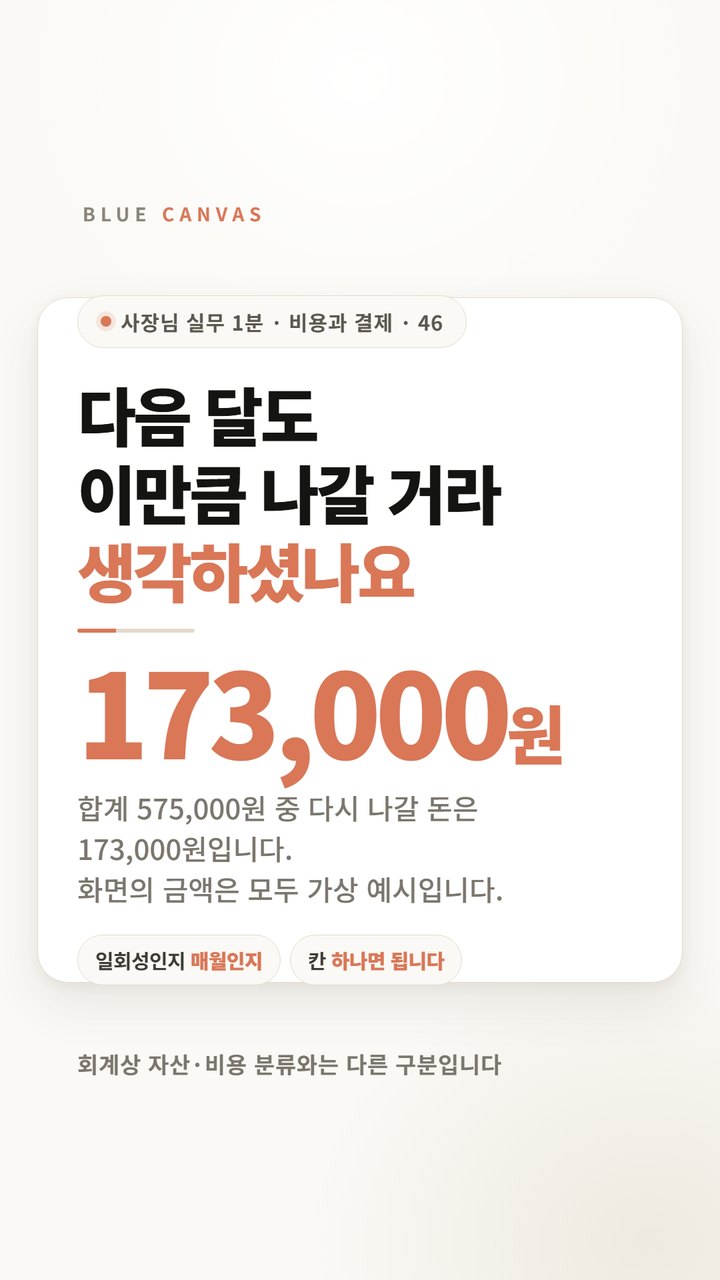
The IDs and times in the table are examples for reproduction. This is not a value from an actual customer or our operating account.
but The extent to which activity records are kept and how permissions can be divided into levels vary depending on the tool being used. Even though each person can create an account, there are some screens where the account name is not added to the record, and there are also screens where permission levels cannot be divided. Before changing, check first on the administrator screen.
There is only one menu to check today
You don't need to change any settings. Open the administrator screen userme Administrator listJust look to see if there is a menu to add people like this. If there is no menu, there is only one account on that screen.
If not, continue counting. We count people who enter the account from the office, partners who come in from outside, and even people who are not present but whose value we know. If there are more than two people, it's time to arrange for splitting the account.
The order of division is as follows. Each person creates an account, and public accounts are locked the same day. Permission levels are divided into writing posts, viewing inquiries, and changing settings. The person who left must suspend the account rather than delete it so that the records left behind by that person remain. After a month, open the record again to see if the name sticks.
This is BlueCanvas’ one-minute security check. You can request to have your account and permissions organized through website/server control.